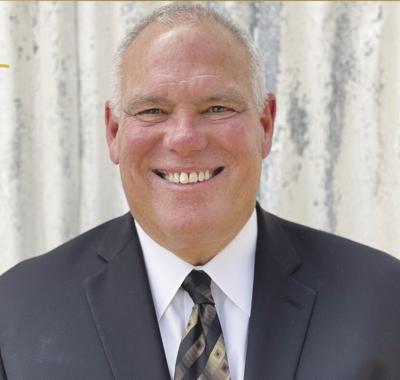
A retired superintendent on why he stopped trying to be the smartest person in the room, what happened when he let campus staff drive an AI-powered literacy rollout, and the one line from a mentor he's never forgotten.
FEATURING Wade Stanford, Former Superintendent, Westwood ISD
Wade Stanford spent his career moving through nearly every job a school system has to offer before he ever sat in the superintendent's chair. He has been a classroom teacher, an athletic coach, a head football coach, an athletic director, a high school assistant principal, and then a principal. He became director of human resources, followed by assistant superintendent of operations, and eventually superintendent.
"This journey has given me insight into the barriers, challenges, and opportunities at every level of educational leadership. This insight has empowered me to understand the struggles our leadership team faces, coach them through them, and help them become more efficient and effective leaders."
Many superintendents have never stood where their staff are standing now. Stanford did, at every single level. He views each one of them through that lens.
Listen, Learn, Lead
When met with a serious problem, Stanford doesn't start with a plan. Rather, he chooses to slow down and pause.
"My first tactic is to slow down, determine who has impactful knowledge, ask probing questions, and listen intently."
He calls this approach Listen, Learn, Lead.
It sounds obvious, but it's also the step many leaders skip, especially under pressure, when the instinct is to act fast and look decisive. Stanford believes that the fast answer and the right answer are rarely the same thing. Skip the listening and learning, and you're leading on a guess.
How He Filters a Great Idea From The Good
Every district has more good ideas than it has time or people to run them. Stanford filters new initiatives through two questions in a specific order.
First, what does this do for students?
"Will the initiative increase student academic outcomes? Will it impact student well-being? Will it impact student attendance? Will it impact student safety?"
Only after that does he ask about staff. Specifically, whether the team has the actual bandwidth to take on one more thing and whether the people expected to carry it out have room to carry it out.
That second question matters more than it sounds like it should. Districts pile initiatives onto staff all the time without ever asking if there's capacity left to absorb them. Stanford treats that question as non-negotiable, not an afterthought.
The Balancing Act of Operations and Instruction
When Stanford is asked how he balances the operational side of running a district with the instructional side, he pushes back on the question a little. To him, it's not really a balancing act.
"If you have effectively developed the leadership team, the district-level operations and instructional goals should support one another and coexist rather than compete. All district-level staff must support all instructional goals."
If those two things ever feel like they're pulling against each other, that's not a scheduling problem. It's a sign the leadership team underneath it needs work.
Hire Great People, Then Get Out of Their Way
Stanford's approach to getting new practices adopted isn't about better rollout plans. It's about who's in the room when the decision gets made.
"By including district administrators and campus staff early in the conversation, you can determine the best initiative and the most successful implementation model. If you have done a great job of hiring, your staff are the experts and can provide you with all the answers for adapting and implementing initiatives."
He puts it plainly: "I believe that you hire great people and then let them lead!"
That's why his district's literacy initiative worked as well as it did.
What That Looked Like With iReady
When Stanford's district rolled out a literacy initiative, they partnered with iReady, a platform that reads each student's response in real time and adjusts the lesson's difficulty to match where that student actually is.
The results in year one: 109 students grew two or more grade levels in literacy. Students landed in the 70th percentile in MAP growth.
Stanford is clear about why it worked.
"The implementation was driven from the campus level, and this paid huge dividends. Campus staff embraced the entire initiative, especially the iReady segment, and we are seeing students in the 70th percentile in MAP growth!"
It wasn't handed down from the district office as a mandate. Campus staff got a say in how it would be used, so they actually embraced it.
AI Is Unavoidable
Stanford isn't part of the crowd that's nervous about AI in schools, but he's not selling it as magic either. He talks about it in practical terms.
"For administrators, AI is a valuable tool for the initial phases of data analysis, developing responses to emails, and creating templates, guidance documents, and action plans."
For teachers, he points to platforms that score writing samples against state assessment rubrics and others built for tutoring support.
His district didn't wait for AI to become unavoidable.
"Our district embraced AI several years ago and began training our staff to use it and implement it in their workspaces. We have also visited with our students about the proper and responsible use of AI."
Training staff and talking to students directly about responsible use, ahead of the pressure to react. That's the same instinct that shaped the iReady rollout: get the people who'll actually use the tool involved before you hand it to them.
Before You Buy the Tool, Ask This
Stanford runs every new technology or digital tool through the same question before it gets added to the system: what's the return on it?
"We must define the desired outcome we expect from the tool and determine how we will measure whether we are achieving it."
Skip that step, and "we will add tools that do not move the needle on student outcomes and waste taxpayer dollars while pushing the capacity threshold to manage all technology platforms."
It's the same logic behind every initiative he adopts, not just the tech ones.
"You must determine the desired outcome and develop the metric to evaluate if you reached it. It sounds simple, but most people do not spend adequate time determining these."
Hire for Character, Train for Skill
When Stanford talks about building his leadership team, character comes before the resume.
"I believe in the saying that you hire for character and train for skill."
He looks for people who are positive, prioritise student well-being, hold a growth mindset, and are good teammates who set high expectations.
"We look for candidates who have these qualities or the capacity to grow in these areas before bringing them into our leadership team."
Integrity Is the Whole Job
Stanford won't say the most important thing he learned was about a budget crisis or a failed programme. He points at people.
"As an educational leader, most challenges involve personnel and their decision-making. Prior to facing these challenges, we must have a clear view of our integrity. The decisions we make must never jeopardize our integrity or invite stakeholders to question it."
A mentor gave him a line he still carries.
"You come with your integrity, and you will leave with your integrity. Never do anything to damage it along the way."
What He'd Tell the Next Generation of Leaders
Stanford's advice for leaders trying to grow is simple, and it's advice he's clearly followed himself.
"Find great leaders in education and outside of education, and study them. Find a high-quality mentor who is willing to pour into you and dedicate time to learn as much from them as you can!"
He also thinks a lot about what's coming. Voucher programs are changing the competitive landscape for public schools, and leaders need to respond directly rather than rely on old narratives.
"We must move past old narratives and design programs that attract students and compete with institutions that take advantage of voucher money."
Part of that, in his view, is leaders learning to tell their own story.
"Every minute of every day is an opportunity to share the great things happening in public education!"
For anyone stepping into leadership for the first time, Stanford comes back to a mindset he calls "one more". One more day. One more phone call to a parent. One more visit with a student who's struggling.
"We can never give up, and we can always do one more!"
He also thinks leaders need to find their own comfort level with being transparent and real with people.
"People will follow you when you are honest and real with them. They have to see that you are a normal person."
None of that replaces time actually spent in the classroom, either. Leaders need that base of experience to draw on, or there's nothing underneath the title.
Why TomoClub Is Sharing This Story
At TomoClub, we believe the future of education isn't shaped by the leader with the most impressive title. It's shaped by leaders who've actually done the jobs beneath them and who remember what that felt like.
Grounded, trustful, and slow. Wade Stanford's career has been a reflection of the kind of leadership that recognises you don't improve results by adding more programmes or more mandates. You get them by hiring well, listening first, and then getting out of the way of the people doing the work. That's exactly the kind of leadership education needs right now.